If you want to sell your Pismo Beach home well, preparation starts long before the sign goes up. Buyers often see your home online first, and that first impression can shape whether they book a showing at all. With the right prep, you can help your home photograph better, show better, and feel easier for buyers to say yes to. Let’s dive in.
Why prep matters in Pismo Beach
In today’s market, your listing usually meets buyers before you do. The National Association of Realtors reported that 43% of buyers began their home search online, and buyers typically viewed seven homes during their search, with two seen online only. That means your photos, presentation, and overall condition matter from day one.
Preparation also matters for a local reason. Pismo Beach has unique coastal conditions, and city planning documents note that parts of the city may be affected by coastal zone rules, bluff erosion, shoreline retreat, sea-level rise, and flooding concerns. Not every property faces the same issues, but buyers may come in with more questions, so a well-prepared home and organized records can make a real difference.
Start with clean, simple presentation
When buyers walk through a home, they want to picture their own life there. That is much easier when rooms feel open, calm, and uncluttered. A simpler look also helps your photos feel brighter and more inviting.
The National Association of Realtors’ staging guidance recommends packing away personal items, removing bulky furniture, using neutral paint where needed, and keeping closets about half full. In a Pismo Beach home, this often means letting natural light, outdoor space, and any view lines take center stage.
Declutter room by room
Try to remove anything that pulls attention away from the home itself. Clear counters, open up floor space, and store extra décor. If a room feels crowded in person, it will usually feel even smaller in photos.
Focus on practical clutter too. Shoes by the door, overflowing bathroom counters, and packed kitchen surfaces can make a home feel busy instead of move-in ready. A clean visual field helps buyers notice the home’s layout and features.
Depersonalize without making it cold
You do not need to erase all character from your home. You just want buyers to connect with the space without feeling like they are walking through someone else’s daily life. That usually means packing away highly personal photos, collections, and very specific style choices.
A warm, neutral presentation tends to work well in coastal homes. Think clean bedding, simple accents, and a relaxed look that supports the home instead of competing with it.
Focus on the rooms buyers notice most
Not every room needs the same level of effort. According to the 2025 National Association of Realtors staging report, the most commonly staged rooms were the living room, primary bedroom, dining room, and kitchen. Buyers’ agents also ranked the living room as the most important room to stage, followed by the primary bedroom and kitchen.
That is helpful if you are deciding where to spend time and money. Start with the rooms that shape the strongest first impression and affect how buyers feel about the home overall.
Prioritize these spaces first
- Living room: Make it feel open, comfortable, and easy to gather in.
- Primary bedroom: Keep it restful, simple, and spacious.
- Kitchen: Clear counters, reduce visual clutter, and highlight workspace and light.
- Dining area: Show scale and flow, especially if it connects to the main living space.
If your budget or timeline is limited, these spaces usually give you the best return on effort. In many homes, improving a few key rooms is more effective than lightly touching every room.
Address coastal wear before showings
Coastal homes age differently than inland homes. Marine air and salt mist can speed up corrosion on exposed metal, especially around exterior hardware and fixtures. Even small signs of wear can stand out in listing photos and during buyer visits.
Before your home goes live, walk the property with fresh eyes. Look closely at railings, exterior light fixtures, door hardware, balcony connectors, and any exposed metal elements that may show rust, corrosion, or weathering.
Check the details buyers will notice
You do not need to assume every coastal home has major problems. Still, visible maintenance issues can make buyers wonder what else may have been deferred. Small repairs now can help your home feel cared for and reduce avoidable distractions.
Pay special attention to:
- Front entry hardware
- Exterior lighting
- Railings and gates
- Window and slider tracks
- Deck and patio areas
- Mailboxes, house numbers, and visible fasteners
These are often quick fixes, but they help support the impression that the home has been maintained with care.
Make the exterior feel fresh
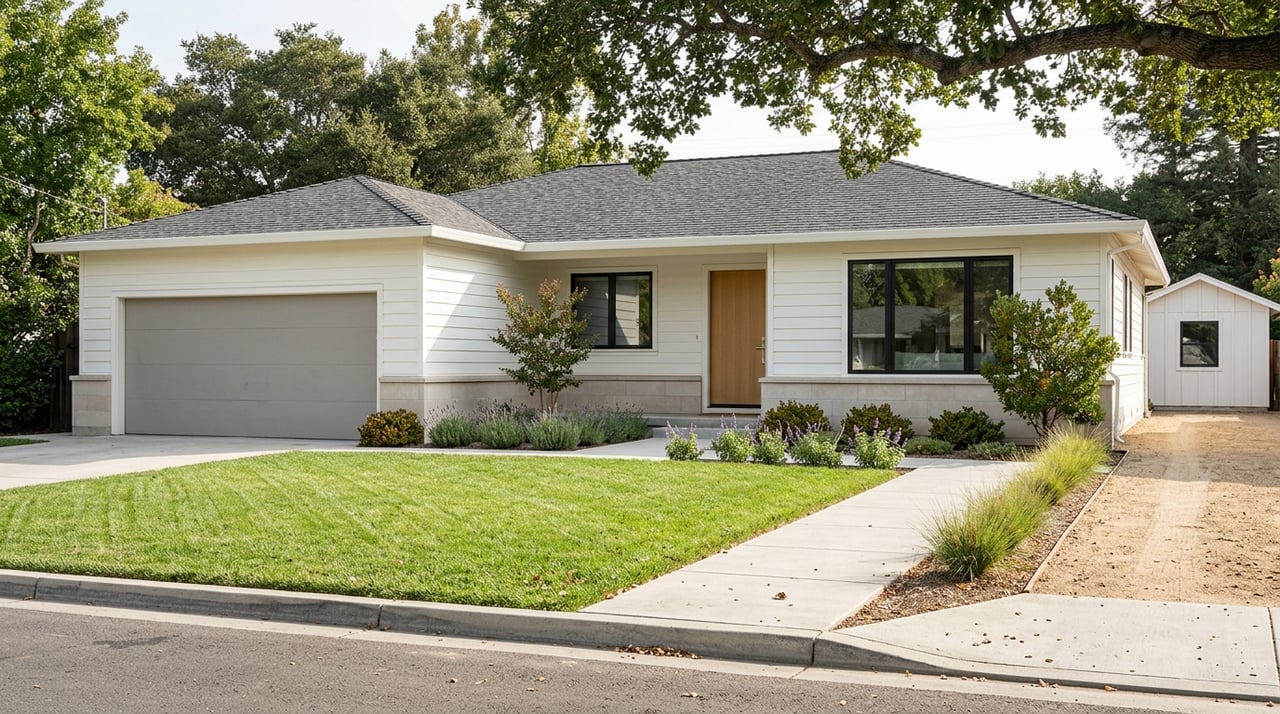
In Pismo Beach, exterior presentation carries extra weight. Buyers are often drawn to light, fresh air, patios, decks, and the connection between indoor and outdoor living. If the outside feels weathered or neglected, it can weaken the whole showing experience.
A spotless interior matters, but so do windows, sliders, patios, decks, and railings. Clean glass, washed surfaces, and a tidy entry can make the home feel brighter and more inviting before a buyer even steps inside.
Improve curb appeal simply
A few practical touches can go a long way:
- Sweep and clean the entry
- Wash windows and glass doors
- Clean patios and decks
- Remove worn or broken outdoor items
- Trim landscaping neatly
- Add a few simple potted plants if appropriate
The goal is not to overdo it. You want the home to feel fresh, maintained, and ready to enjoy.
Gather permits and property records early
One of the smartest things you can do before listing is organize your paperwork. Pismo Beach notes that most development in the city requires planning permits, and properties within the coastal zone may be subject to added procedures. If your home has had exterior work or major improvements, buyers may ask about it.
This is especially important for additions, decks, major exterior changes, window replacements, ADUs, or other improvements. Having permit records ready can help reduce delays and make buyer questions easier to answer.
What to collect before listing
Try to gather:
- Permit records for additions or exterior improvements
- Records for decks, windows, or major remodels
- Manuals and service records for major systems
- Receipts for recent repairs or upgrades
- Septic maintenance records, if applicable
If your home has a septic system, maintenance records are especially helpful. The EPA notes that regular upkeep is important in coastal areas or near water, so inspection and pumping history can be useful to have on hand.
Stage for light and flow
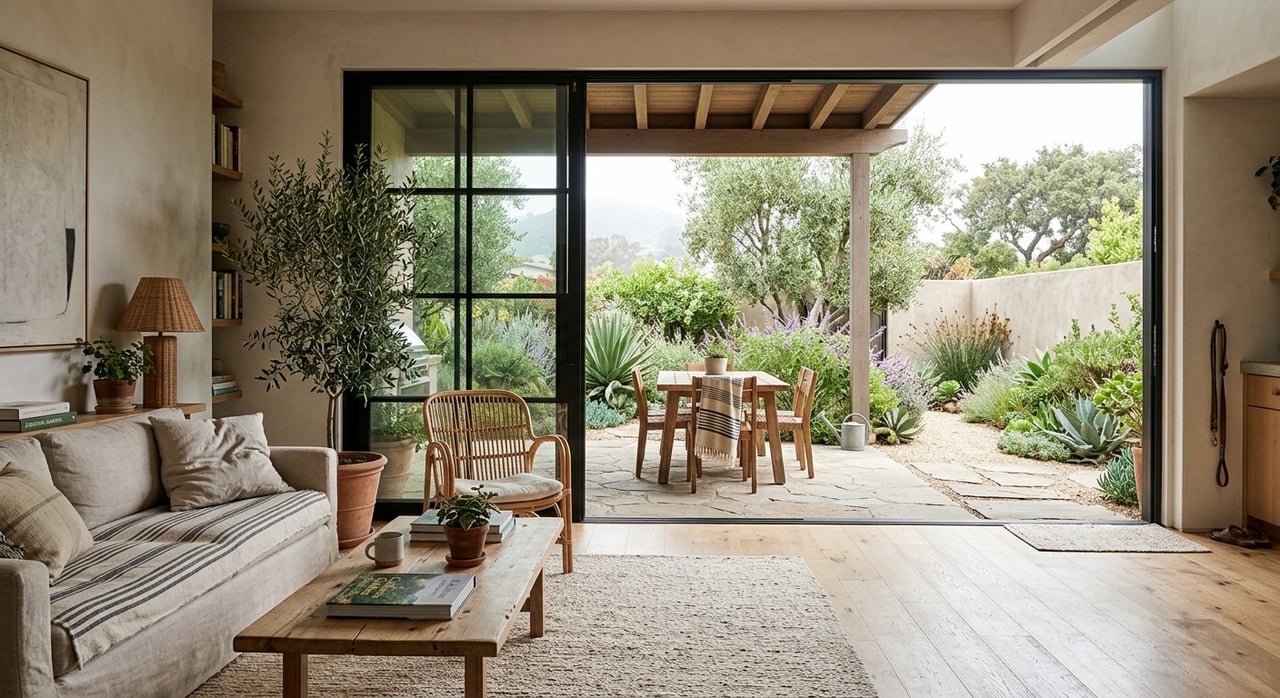
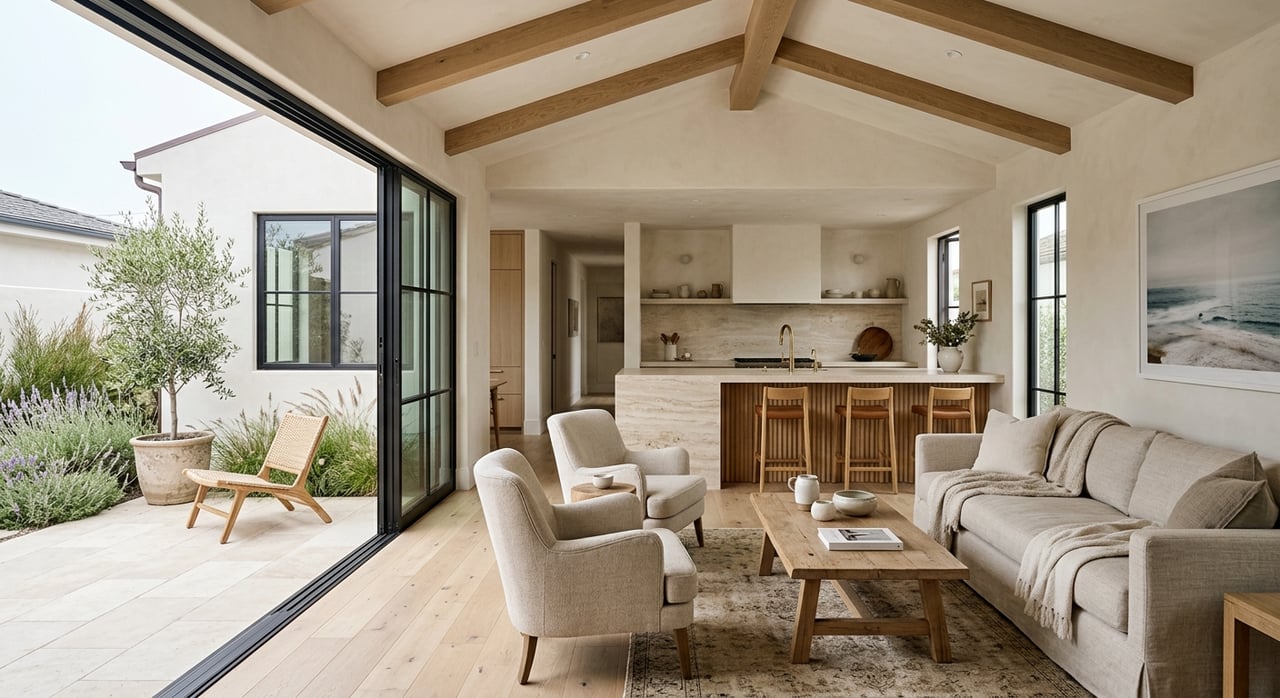
In many Pismo Beach homes, the most compelling feature is not heavy décor or elaborate styling. It is the feeling of openness, light, and easy indoor-outdoor flow. Good staging should support that story.
This is one reason neutral styling tends to work well in a coastal setting. It helps buyers notice the windows, room connections, and outdoor access instead of being distracted by too many furnishings or accessories.
Let the home do the talking
Arrange furniture to show space and movement. Open window coverings when appropriate, keep décor minimal, and create clear pathways through the home. If there is a patio, deck, or outdoor seating area, make sure it feels intentional and usable.
Your goal is to help buyers imagine how the home lives day to day. In a coastal market, that often means emphasizing brightness, comfort, and the way interior and exterior spaces work together.
Treat photography as part of preparation
Photos are not the last step. They are part of the prep process itself. Since so many buyers start online, your home should be fully cleaned, repaired, and staged before any media is created.
The 2025 National Association of Realtors staging report found that buyers’ agents saw listing photos as especially important to clients, with videos and virtual tours also carrying weight. That makes your media package a core part of your launch strategy, not an afterthought.
Use the right order
A smart pre-listing sequence looks like this:
- Clean and repair
- Declutter and stage
- Photograph and film
- Launch only when the home is truly ready
That order helps your listing present consistently from the first click to the first showing. It also reduces the chance of rushed photos that undersell the property.
Be careful with virtual staging
Virtual staging can be helpful, but it should not give buyers a misleading impression. The National Association of Realtors advises that material photo enhancements should be disclosed. That matters in a coastal market, where buyers may pay close attention to window lines, deck size, and view corridors.
Prepare for disclosures and buyer questions
California sellers have important disclosure responsibilities, and it is best to start early. The California Transfer Disclosure Statement describes the condition of the property and must be provided to a prospective buyer as soon as practicable and before transfer of title. The California Department of Real Estate also notes that the seller and agent both participate in the disclosure process.
California’s Natural Hazard Disclosure Statement may also cover matters such as special flood hazard areas, inundation zones, earthquake fault zones, and seismic hazard zones. In a place like Pismo Beach, buyers may also ask more questions about coastal conditions, long-term maintenance, and whether any site-specific planning or permit considerations apply.
Expect thoughtful buyer due diligence
That does not mean every Pismo Beach property has the same exposure or the same concerns. It does mean buyers may be more detail-focused, especially for homes in or near the coastal zone. When you have maintenance records, permit history, and a well-prepared disclosure package, you help the process move with fewer surprises.
What happens once your home is listed
After launch, the first online impression and the in-person experience need to match. NAR’s 2024 buyer data shows that buyers spent a median of 10 weeks searching, and many relied on online tools and agent guidance throughout the process. If your listing looks great online but feels different in person, buyers may hesitate.
That is why thoughtful preparation matters so much. Clean presentation, strong photos, organized records, and honest disclosures all work together to support stronger interest and smoother showings.
Selling in Pismo Beach is not just about putting a home on the market. It is about presenting it clearly, answering the right questions early, and helping buyers feel confident in what they see. If you want steady guidance on how to prepare your home for today’s market, Peri Kost can help you create a practical plan that fits your property and your timing.
FAQs
What should you do first when preparing a Pismo Beach home for sale?
- Start by cleaning, decluttering, and making small repairs before staging or photography. Buyers often see your home online first, so your initial presentation matters.
Which rooms matter most when staging a Pismo Beach home?
- Focus first on the living room, primary bedroom, kitchen, and dining area. National Association of Realtors staging data shows these are among the most important spaces for buyer perception.
Why do coastal homes in Pismo Beach need extra prep?
- Coastal conditions can make wear show up differently, especially on exterior hardware, railings, fixtures, decks, and other exposed elements. Buyers may also ask more questions about maintenance and coastal-zone considerations.
Should you gather permits before listing a home in Pismo Beach?
- Yes. If your home has additions, decks, exterior changes, window replacements, ADUs, or other major improvements, permit records can help answer buyer questions and reduce delays.
What disclosures matter when selling a home in California?
- California sellers should be prepared for the Transfer Disclosure Statement and the Natural Hazard Disclosure Statement, along with other required transaction disclosures based on the property.
Do professional photos really matter for a Pismo Beach listing?
- Yes. Many buyers begin their search online, and listing photos are a major part of whether they decide to visit a home in person.